


Capturing Nature's Beauty: Landscape Photography Tips

Landscape photography is more than just a hobby; it’s a way to connect with nature and share its beauty with others. Whether you are a seasoned photographer or just starting out, understanding the nuances of capturing stunning landscapes can elevate your work. In this post, we will explore essential tips and techniques that will help you take breathtaking landscape photographs.
Understanding Your Equipment
Before heading out into the field, it’s crucial to familiarize yourself with your camera and its settings. Here are some key aspects to consider:
Camera Types
DSLR Cameras: These are versatile and offer high-quality images. They are suitable for both beginners and professionals.
Mirrorless Cameras: These cameras are lighter and more compact, making them great for travel.
Smartphones: Modern smartphones have impressive cameras and can be a convenient option for casual photography.
Lenses
The lens you choose can significantly impact your landscape photography. Here are some popular options:
Wide-Angle Lenses: Ideal for capturing expansive scenes, these lenses allow you to include more of the landscape in your frame.
Telephoto Lenses: These are great for isolating specific elements in a landscape, such as a distant mountain peak or a unique tree.
Macro Lenses: While not typically used for landscapes, they can be useful for capturing intricate details in nature.
Tripods
Using a tripod is essential for landscape photography, especially in low-light conditions. A sturdy tripod helps stabilize your camera, allowing for longer exposure times without blurriness.
Planning Your Shoot
Successful landscape photography requires careful planning. Here are some tips to help you prepare:
Research Locations
Before you head out, research potential locations. Websites like Google Earth and photography forums can provide valuable insights into the best spots for landscape photography. Look for:
National Parks: These areas often have stunning vistas and well-maintained trails.
Local Parks: Don’t overlook nearby parks; they can offer beautiful scenes right in your backyard.
Unique Landforms: Search for interesting geological features, such as cliffs, valleys, or lakes.
Timing is Everything
The time of day can dramatically affect the quality of your photographs. Consider these golden hours:
Early Morning: The soft light during sunrise can create a magical atmosphere.
Late Afternoon: The golden hour before sunset provides warm, flattering light.
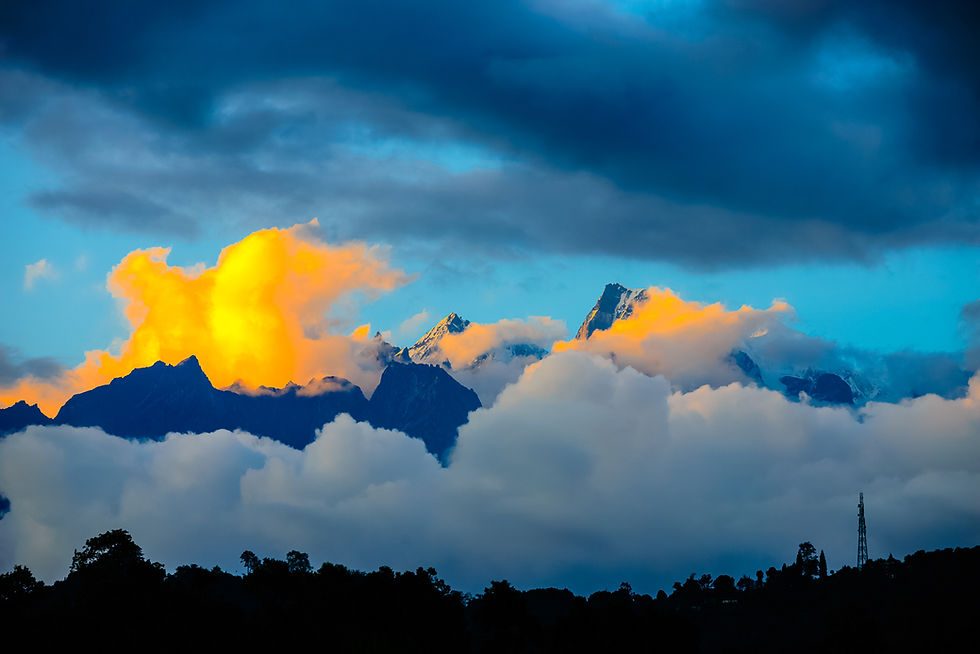
Blue Hour: The period just before sunrise and after sunset offers a cool, serene light that can enhance your images.
Weather Conditions
Weather plays a significant role in landscape photography. Overcast days can provide soft, diffused light, while dramatic clouds can add interest to your compositions. Be prepared for changing conditions and embrace the unpredictability of nature.
Composition Techniques
Once you’re on location, composition becomes key to creating stunning images. Here are some techniques to consider:
Rule of Thirds
The rule of thirds is a fundamental principle in photography. Imagine dividing your frame into a 3x3 grid. Place key elements along these lines or at their intersections to create a balanced composition.
Leading Lines
Use natural lines in the landscape to guide the viewer’s eye through the image. Roads, rivers, and pathways can create a sense of depth and perspective.
Foreground Interest
Including elements in the foreground can add depth to your photographs. Look for interesting rocks, flowers, or trees that can lead the viewer into the scene.
Framing
Use natural elements to frame your subject. Trees, arches, or overhanging branches can create a sense of depth and draw attention to the main subject.
Mastering Exposure Settings
Understanding exposure settings is crucial for capturing the perfect landscape photograph. Here are the key components:
Aperture
Aperture controls the amount of light entering your camera and affects depth of field. For landscapes, a smaller aperture (higher f-stop number) is often preferred to keep both the foreground and background in focus.
Shutter Speed
Shutter speed determines how long your camera’s sensor is exposed to light. For landscapes, you may want to use slower shutter speeds to capture movement, such as flowing water or swaying grass. A tripod is essential for these longer exposures.
ISO
ISO measures your camera’s sensitivity to light. Keep your ISO as low as possible to reduce noise in your images. In low-light conditions, you may need to increase your ISO, but be mindful of the potential for graininess.
Post-Processing Techniques
Editing your landscape photographs can enhance their beauty and bring your vision to life. Here are some tips for effective post-processing:
Software Options
Adobe Lightroom: A popular choice for photographers, Lightroom offers powerful editing tools and is great for batch processing.
Adobe Photoshop: Ideal for more advanced editing, Photoshop allows for detailed adjustments and creative manipulation.
Capture One: Known for its color grading capabilities, Capture One is favored by many professional photographers.
Basic Adjustments
Exposure: Adjust the exposure to brighten or darken your image.
Contrast: Increase contrast to make your image pop, but be careful not to overdo it.
Saturation: Enhance colors, but maintain a natural look.
Advanced Techniques
HDR Photography: High Dynamic Range (HDR) photography involves taking multiple exposures and blending them to capture a wider range of light.
Panorama: Stitching together multiple images can create breathtaking panoramic views.
Conclusion
Capturing nature's beauty through landscape photography is a rewarding endeavor that requires practice, patience, and a keen eye for detail. By understanding your equipment, planning your shoots, mastering composition, and utilizing post-processing techniques, you can create stunning images that resonate with viewers.
Remember, the key to great landscape photography lies in your passion for nature and your willingness to experiment. So grab your camera, explore the great outdoors, and let your creativity shine. Happy shooting!


Comments