


Mastering Landscape Photography for Stunning Portfolio

Landscape photography is more than just capturing a scene; it’s about telling a story through the lens. Whether you are a beginner or an experienced photographer, mastering the art of landscape photography can elevate your portfolio and help you create stunning images that resonate with viewers. In this blog post, we will explore essential techniques, tips, and tools that can enhance your landscape photography skills.

Understanding the Basics of Landscape Photography
Before diving into advanced techniques, it’s crucial to understand the fundamentals of landscape photography. Here are some key aspects to consider:
Composition
Composition is the backbone of any great photograph. In landscape photography, the rule of thirds is a widely used guideline. Imagine dividing your frame into a grid of nine equal parts. Place your subject along these lines or at their intersections to create a more balanced and engaging image.
Leading Lines: Use natural lines in the landscape, such as roads, rivers, or fences, to draw the viewer's eye into the photograph.
Framing: Use elements in the foreground to frame your subject, adding depth and context to the scene.
Lighting
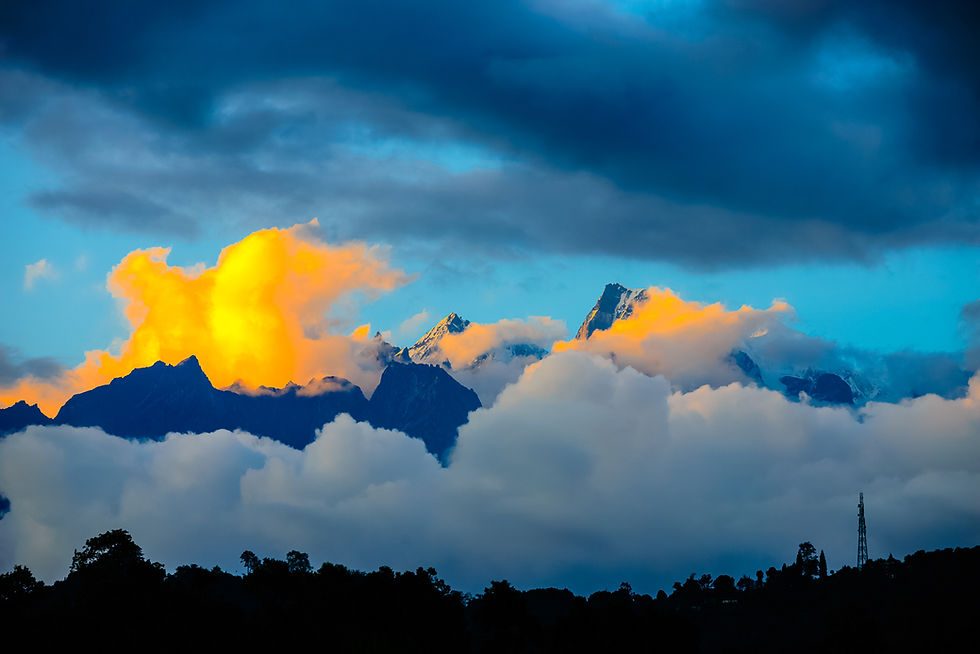
Lighting can make or break a landscape photograph. The golden hour, which occurs shortly after sunrise and before sunset, provides soft, warm light that enhances colors and textures. Here are some tips for working with light:
Golden Hour: Aim to shoot during the golden hour for the best lighting conditions.
Backlighting: Experiment with backlighting to create silhouettes or highlight textures in your subject.
Equipment
While you can capture stunning landscapes with any camera, having the right equipment can make a significant difference. Here are some essential tools:
Camera: A DSLR or mirrorless camera with manual settings allows for greater control.
Lenses: A wide-angle lens (16-35mm) is ideal for capturing expansive landscapes, while a telephoto lens (70-200mm) can help isolate distant subjects.
Tripod: A sturdy tripod is essential for long exposures and ensuring sharp images.
Advanced Techniques for Stunning Landscapes
Once you have a grasp of the basics, it’s time to explore advanced techniques that can take your landscape photography to the next level.
Long Exposure Photography
Long exposure photography allows you to capture movement in a scene, such as flowing water or moving clouds. Here’s how to achieve stunning long exposure shots:
Use a Tripod: Stability is key for long exposures. A tripod will prevent camera shake.
Neutral Density Filters: These filters reduce the amount of light entering the lens, allowing for longer exposure times without overexposing the image.
Settings: Start with a low ISO (100 or 200) and a small aperture (f/8 to f/16) to maximize depth of field and sharpness.
HDR Photography
High Dynamic Range (HDR) photography is a technique that combines multiple exposures to capture a wider range of light and detail. Here’s how to create stunning HDR images:
Bracketing: Take multiple shots at different exposures (underexposed, correctly exposed, and overexposed).
Post-Processing: Use software like Adobe Lightroom or Photoshop to merge the images and adjust the final output.
Panoramic Photography
Panoramic photography allows you to capture expansive scenes that a single frame cannot encompass. Here’s how to create stunning panoramas:
Overlap Shots: Take multiple images with about 30% overlap to ensure a seamless stitch.
Use a Tripod: A tripod helps maintain a consistent height and level for each shot.
Post-Processing: Use stitching software to combine the images into a single panoramic photograph.
Post-Processing Tips for Landscape Photography
Post-processing is an essential part of the photography workflow. It allows you to enhance your images and bring your vision to life. Here are some tips for effective post-processing:
Basic Adjustments
Start with basic adjustments to improve exposure, contrast, and color balance. Here are some common adjustments to consider:
Exposure: Adjust the exposure to ensure your image is well-lit.
Contrast: Increase contrast to add depth and dimension to your photograph.
White Balance: Correct the white balance to ensure accurate colors.
Advanced Techniques
Once you have made basic adjustments, consider these advanced techniques:
Dodging and Burning: Use dodging and burning to selectively lighten or darken areas of your image, adding depth and dimension.
Sharpening: Apply sharpening to enhance details, but be careful not to overdo it, as this can introduce noise.
Presets and Filters
Using presets and filters can save time and help maintain a consistent style across your portfolio. Consider creating your own presets or using those available in editing software.
Building a Stunning Landscape Photography Portfolio
Now that you have the skills and techniques to capture stunning landscapes, it’s time to build a portfolio that showcases your work. Here are some tips for creating an impressive landscape photography portfolio:
Curate Your Best Work
Select your best images that represent your style and skills. Aim for a cohesive look and feel throughout your portfolio. Consider the following:
Variety: Include a range of landscapes, such as mountains, forests, and seascapes, to showcase your versatility.
Quality Over Quantity: It’s better to have a smaller number of high-quality images than a large collection of mediocre ones.
Create a Personal Website
Having a personal website is essential for showcasing your work and attracting potential clients. Here are some tips for building an effective photography website:
User-Friendly Design: Ensure your website is easy to navigate and visually appealing.
High-Quality Images: Use high-resolution images to showcase your work effectively.
About Page: Include an about page that tells your story and connects with your audience.
Share Your Work
Once your portfolio is ready, share your work with the world. Consider the following platforms:
Social Media: Use platforms like Instagram and Pinterest to share your images and connect with other photographers.
Photography Communities: Join online photography communities to share your work and receive feedback.
Conclusion
Mastering landscape photography requires practice, patience, and a willingness to learn. By understanding the basics, exploring advanced techniques, and effectively post-processing your images, you can create stunning photographs that captivate viewers. Building a strong portfolio will showcase your skills and help you connect with others in the photography community. Remember, the journey of a photographer is ongoing, so keep experimenting and pushing your creative boundaries. Happy shooting!


Comments